

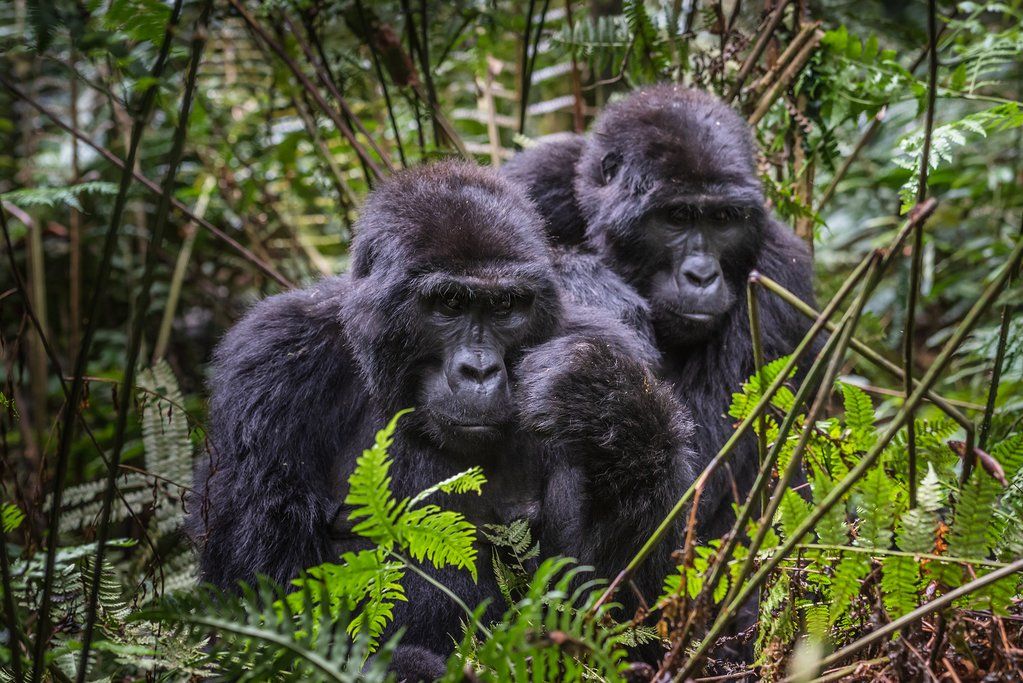
Gorilla trekking is unlike any other wildlife encounter in Africa — an hour spent a few metres from a mountain gorilla family in Uganda's Bwindi Impenetrable Forest is something guests consistently tell us they'll never forget. Here's what to actually expect.
Permits are limited — book early
Only a small number of trekking permits are issued per gorilla family, per day, to limit disturbance to the animals. Popular seasons (June–September and December–February, the drier months) sell out months in advance, so this is not a trip to plan last-minute. We generally recommend locking in your permit at least four to six months ahead if you have specific travel dates in mind.
The trek itself
Treks can run anywhere from one to six hours through dense, often steep forest terrain, depending on where the gorilla family happens to be that day. It's physically demanding but achievable for most reasonably fit travellers — a walking stick and gloves for the undergrowth go a long way. Porters are available to hire locally and are well worth the small fee, both for carrying your daypack and for the extra support on steep or muddy sections.
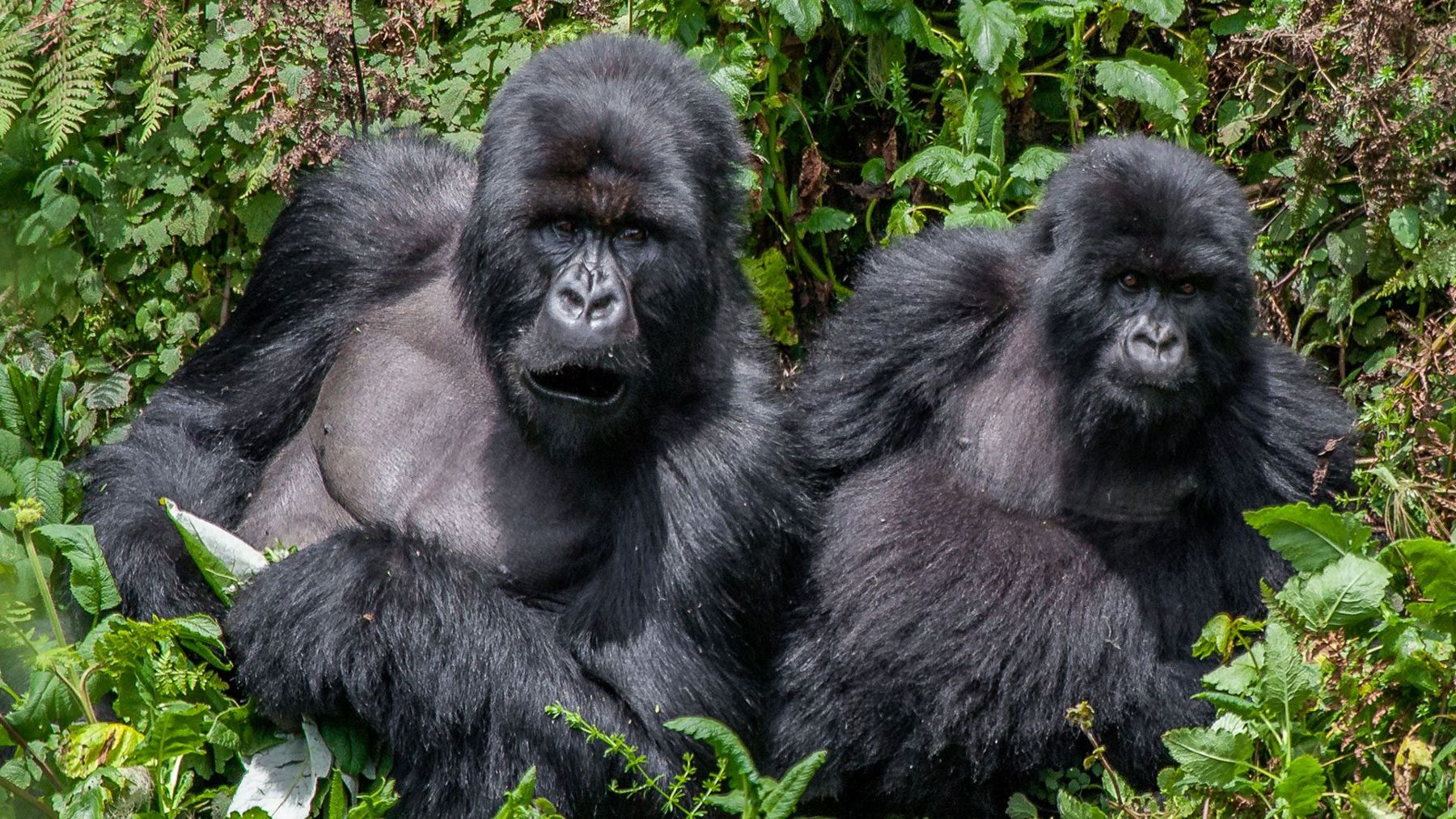
A silverback family group in Bwindi
Once you find them
Guests get exactly one hour with the gorilla family, at a respectful distance of around seven metres, under the guidance of armed rangers and trackers. It goes by fast — most people forget to even check their camera settings for the first few minutes. Watching a silverback move calmly a short distance away, seemingly unbothered by your presence, is an entirely different feeling from any other wildlife encounter.
Health and fitness notes
There's a minimum age of 15 for gorilla trekking, and anyone with a contagious illness will be asked not to trek, since gorillas are highly susceptible to human diseases. A reasonable level of fitness helps, but trackers do their best to match difficulty to the group, and rangers set the pace.
Our take
Pack for wet, muddy conditions regardless of season, and treat the permit booking as the first thing you lock in when planning a Uganda trip — everything else, from accommodation to the rest of your itinerary, can build around that date.